Omnichannel Pharma Marketing That Builds Credibility and Measurable Impact
In markets shaped by complex treatment pathways, constrained access, and stringent oversight, effective pharma marketing must do more than broadcast claims. It needs to deliver evidence-based experiences across channels patients and healthcare professionals already trust. That means orchestrating content and touchpoints—email, compliant social, rep-led eDetailing, peer education, portals, and virtual events—into coherent journeys. The brands that win aren’t the loudest; they’re the ones that align each moment with clinical relevance, local regulations, and explicit preferences. When a cardiologist receives a guideline update right after a virtual congress, or a nurse navigator gets a dosing calculator inside a patient support portal, engagement feels thoughtful rather than promotional.
Executing this level of precision requires a blend of modular content and robust data design. Modular assets accelerate medical-legal-regulatory review while enabling contextual assembly: the same core efficacy chart can pair with different safety callouts depending on specialty or formulary. Consent and preference management guide which messages reach whom, how often, and on which devices. Meanwhile, analytics stitched across channels—site visits, eDetail interactions, field calls, event attendance—surface what resonates. Instead of optimizing for vanity metrics, leading teams connect engagement to behavioral shifts such as formulary pulls, peer-to-peer inquiries, and appropriate initiation in eligible patients.
Credibility is the currency of modern pharma marketing. Content must reflect real-world practice: comparative effectiveness data, workflow integrations, patient access steps, and practical titration guides. Equipping teams with these assets ensures every touchpoint helps solve a genuine problem, not just repeat a claim. Ethical guardrails matter too. Frequency caps, adverse event routing, transparent sponsorship, and clear handoffs between branded and unbranded content protect trust. The result is a durable system that not only drives near-term lift in qualified engagement but also strengthens long-term relationships with HCPs and care teams who value clinically meaningful support.
Pharma CRM As the Engine of Personalization, Compliance, and Field Excellence
A modern pharma CRM is more than a contact list; it’s the operating system for orchestrating compliant, patient-centered engagement. It unifies HCP profiles, account hierarchies, affiliations, territory alignments, consent states, and interaction histories into a 360-degree view. With this foundation, call plans become dynamic, next-best-actions factor in local access hurdles, and digital sequences adjust to real behaviors. A hospital account might need formulary pack approval support, while a community clinic requires prior authorization education. The same CRM fuels both—with distinct content, cadence, and compliance logic—so rep time is invested where it matters most.
Data stewardship is non-negotiable. Clean master data, standardized taxonomies, and role-based permissions ensure the right users see the right context—nothing more. Compliance is baked in: audit trails for sample drops, validated e-signatures for visit confirmations, and strict workflows for medical inquiries. Aligning pharma CRM with analytics unlocks smarter segmentation, from decile-based models to micro-audiences built on observed needs and preferences. AI recommendations can improve sequencing and content selection but must be governed by transparent rules, human oversight, and medical-legal-regulatory guardrails. The aim isn’t automation for its own sake; it’s assisting teams in prioritizing education that reduces friction for the clinician and the patient.
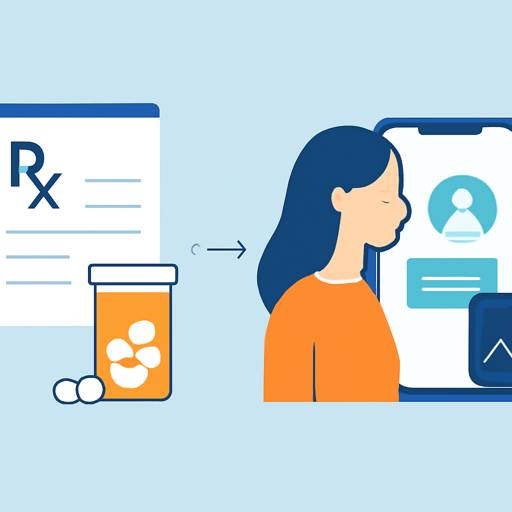
Integration amplifies value. Linking CRM with marketing automation, medical information systems, patient support platforms, and content repositories shortens cycle times between insight and action. When an MSL logs an off-label scientific inquiry, that insight shouldn’t trigger promotion—but it should inform compliant educational gaps and future data generation priorities. When real-time access data signals a coverage change, CRM can prompt field teams with updated access steps and payer-specific resources. This connected fabric makes precision possible, ensuring each interaction—digital or human—advances a shared objective: timely, appropriate care supported by clear evidence and streamlined access.
Real-World Scenarios: Connected Journeys, Field Impact, and Scalable Support With Pulse Health
Consider a cardiovascular brand entering a competitive class. Historically, its digital and field motions operated in silos: email pushes ignored meeting notes, event sign-ups didn’t inform follow-up, and access updates arrived late. By centralizing HCP and account insights, orchestrating omnichannel sequences, and aligning field call plans with verified access triggers, the team rebalanced effort to where it created clinical relevance. In four months, targeted sequences that paired guideline refreshers with local access changes yielded a substantial increase in eDetail completions from top-priority clinics. Rep productivity improved as low-propensity targets received educational content digitally, freeing field time to support accounts ready to operationalize new protocols.
Operationalizing this approach requires the right partner. Pulse Health brings a connected stack that marries compliant content delivery, consent-driven personalization, and field coordination. Its design prioritizes clear workflows—territory and account plans that sync with digital journeys; medical, marketing, and access teams operating from a shared source of truth; and analytics that move beyond clicks to clinically meaningful outcomes like appropriate initiation in eligible populations. Because pharma CRM success hinges on adoption, intuitive interfaces and role-specific dashboards help reps, MSLs, and program managers focus on what’s actionable today, while governance and audit features satisfy the strictest oversight.
In rare disease, where pathways are fragmented and time-to-diagnosis can be long, integrated CRM and marketing can close gaps without pressure or overreach. One program mapped referral networks across specialties, then delivered unbranded decision-support to diagnosticians and branded access steps to confirmed treaters. Coordinated patient services guided benefits verification and hub enrollment, while adherence nudges were scheduled based on therapy milestones, not arbitrary timelines. Time from diagnosis to therapy shortened, and care teams reported fewer back-and-forths on coverage steps. The lesson: personalization is not about more messages; it’s about the right message, at the right moment, to the right role in the care continuum.
Medical affairs sees parallel gains. Congress coverage often yields rich insights that die in slide libraries. With connected systems, MSLs capture scientific questions at sessions, tag them by theme, and route them to evidence generation plans. Post-congress, compliant recaps reach relevant HCPs, while gaps inform future publications and education. When those insights surface as emerging needs—say, a complex patient subset—field and digital teams can coordinate educational materials that clarify real-world use within label. This closes the loop between evidence, education, and practice, strengthening credibility and accelerating the path from data to adoption.
Scaling these wins demands governance that’s both rigorous and enabling. Consent and preference centers should be transparent and easy to use; content libraries must be modular and searchable; and analytics should answer “so what” in the language of access steps, patient support enrollments, and office workflow friction, not just open rates. The best programs create feedback loops: what reps learn in appointments refines digital journeys; what analytics reveal in digital informs field talking points; what medical uncovers in dialogue shapes future content. With this flywheel in motion—and with platforms like Pulse Health enabling consistency—teams transform episodic outreach into a coordinated system that respects clinician time, meets regulatory expectations, and moves the needle on patient outcomes.